Every fruit grower learns the same lesson sooner or later: the crop is decided in a handful of spring nights. A still, clear night after a cold front, with the temperature slipping a couple of degrees below zero, can turn a tree in full flower into a tree of blackened centres by morning — and you may not know for days.
You cannot stop a late frost. You can blunt it. Growers who crop most years are rarely just lucky; they have a routine. Here is a spring checklist, from site and soil to the night-before drill.
Why blossom is the fragile stage
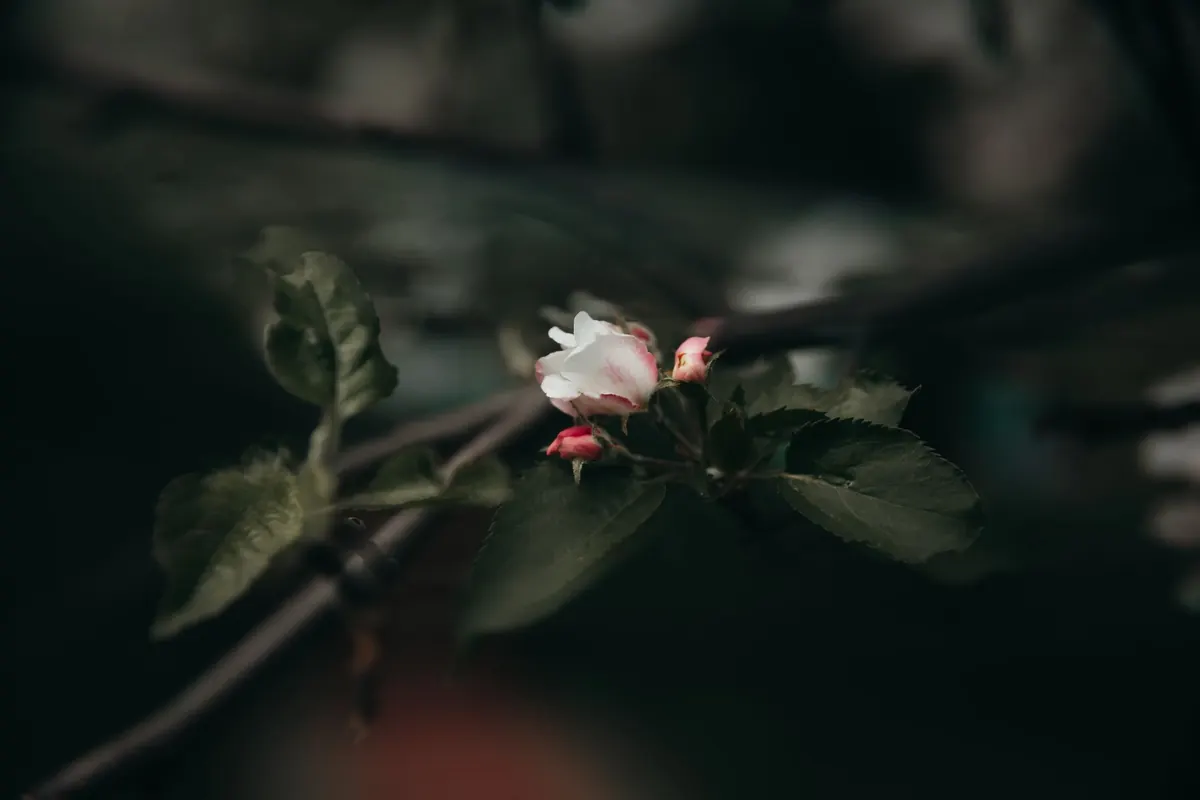
Tight buds shrug off hard frost. As flowers open, the tissue fills with water and freezes readily, and the pistil — the stigma and style at the centre — is the tenderest part of all. Freeze that and no amount of pollen will help. A battered flower can still set fruit; a perfect-looking one can drop a fortnight later.
Duration matters as much as the number. A brief dip at dawn does less harm than three hours at the same reading, and damp, still air is worse than dry air with a little movement. Watch the flower, not the forecast: on a clear, windless night, blossom radiates heat skywards and can sit a degree colder than the surrounding air.
Fix what you can before spring
Cold air behaves like water. It drains downhill, pools behind hedges, walls and banks, and settles in the lowest, most enclosed corner of the plot. If your trees stand in that pool, you are fighting a losing battle every April.
Where you have a choice, plant on a gentle slope with open ground below it, and keep the lower boundary clear so cold air can escape rather than dam up behind a hedge. A south-facing wall brings blossom on earlier — a mixed blessing in a frosty district, because the extra warmth is real but so is the earlier flowering date.
Beneath the trees, keep a firm, bare, weed-free strip. Bare soil soaks up warmth on a sunny day and releases it overnight, while long grass or a thick straw mulch insulates the ground and leaves the cold sitting around the flowers. Water the soil thoroughly the day before a forecast frost; damp ground holds far more heat than dry. Some growers also lay pale reflective mulch in late winter, which keeps the soil cooler and holds bud burst back a few days.
The protection toolkit
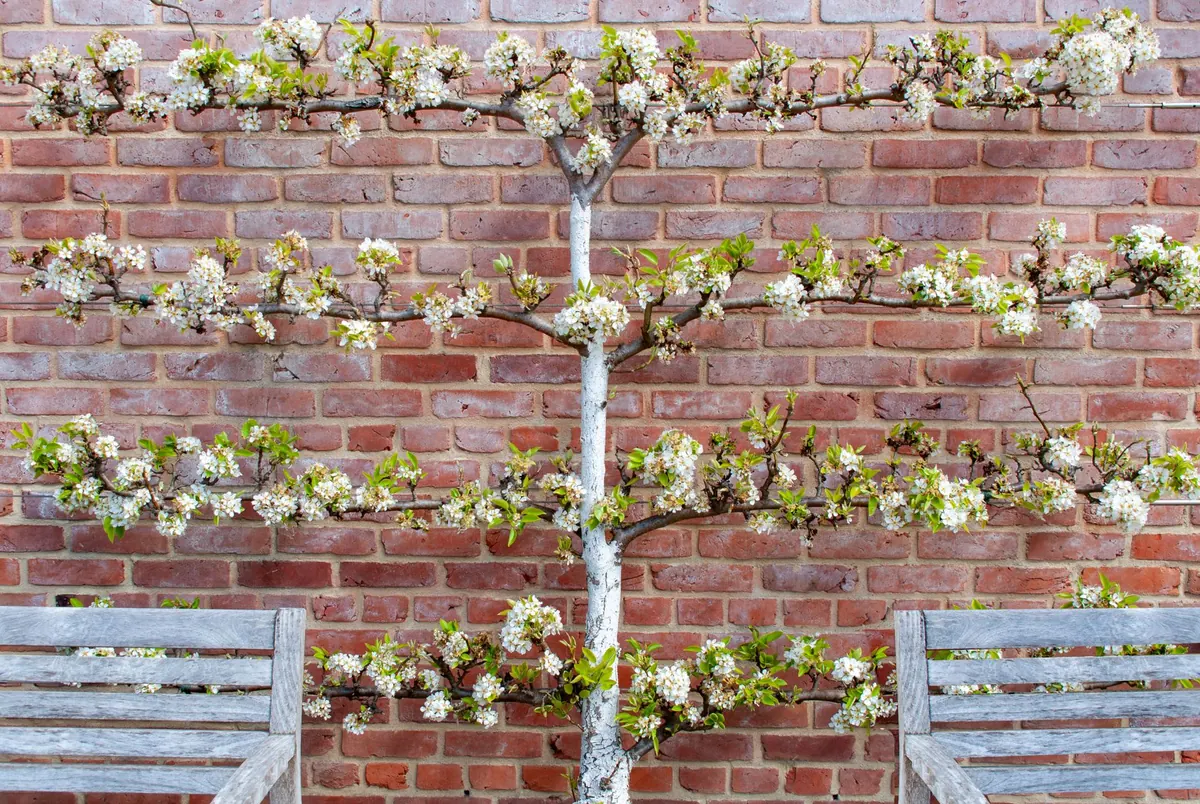
- Horticultural fleece. The workhorse for fans, espaliers, cordons and young trees. Drape it loosely and peg the edges to the ground so the soil's warmth is trapped underneath, then remove it mid-morning. On a marginal night it is often the difference between a crop and none; against a hard, prolonged freeze it will only take the edge off.
- Hessian, old sheets, net curtains, bubble wrap. Same principle, cheaper. Never leave wet covers resting on the wood all day — take them off once the sun is up.
- Overhead watering. Sprinklers must run continuously from before the temperature reaches freezing until the ice has melted naturally in the morning. Freezing water releases heat and holds the flower close to zero. Stopping early is worse than never starting, because the ice then chills the blossom. It needs reliable pressure and somewhere for the water to drain, so only commit if you can see it through the night.
- Frost fans and orchard heaters. Effective in still-air inversion frosts on larger plantings, useless once there is any wind, and expensive to run. Worth considering only if you already grow on a commercial scale.
- Move what you can. Pots, containers and small trained trees can simply go into a shed, garage or against a house wall for the danger nights.
- Plant later-flowering varieties. The most dependable protection of all. Pears and plums flower early; culinary apples such as Bramley's Seedling, and late sorts like Crawley Beauty or Edward VII, hold back. A spread of varieties means one bad night cannot take the lot.
Alongside variety choice, go easy on nitrogen in spring — it pushes soft, early growth — and summer-prune rather than winter-prune where you can, as trees pruned in summer tend to come away more slowly the following spring.
The night-before routine
- Read the afternoon forecast properly: not just the minimum, but wind and cloud. Clear, still and cold after a front is the danger signal; breezy and cloudy rarely bites.
- Keep a thermometer at blossom height in the coldest part of the plot and note what it reads at two in the morning. Within a season you will know your own orchard's offset from the forecast.
- Get covers on before dusk, while you can still see and while the air is warmer. Peg them down.
- Wet dry ground, and start the sprinkler before freezing point, not after.
- Set an alarm for the coldest hours, usually just before dawn, so you can add a second layer or start watering if you gambled and lost.
Protect pollination, not just petals
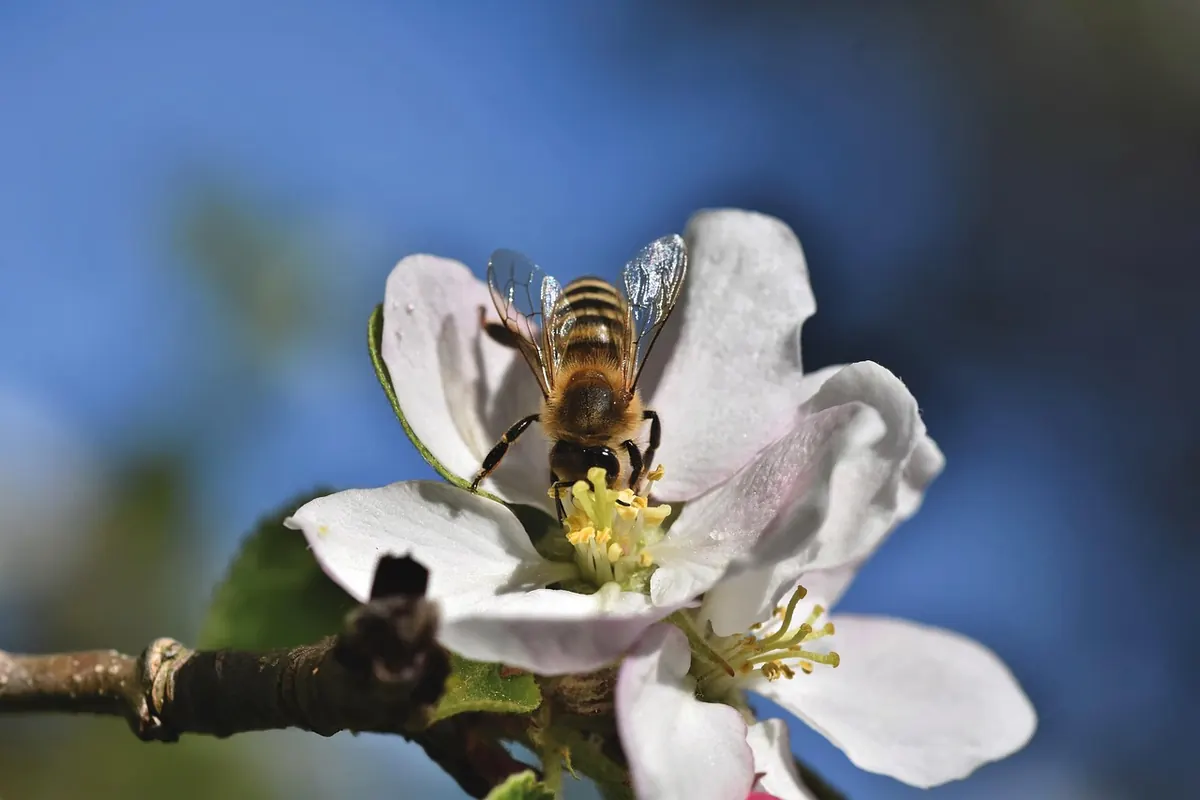
Frost rarely kills every flower. What it usually does is damage the pistil, which is why set can be patchy even after a bad night. Pollination itself also stalls in the cold: bees mostly stay home below
Photo: Kristina Paul / Pexels