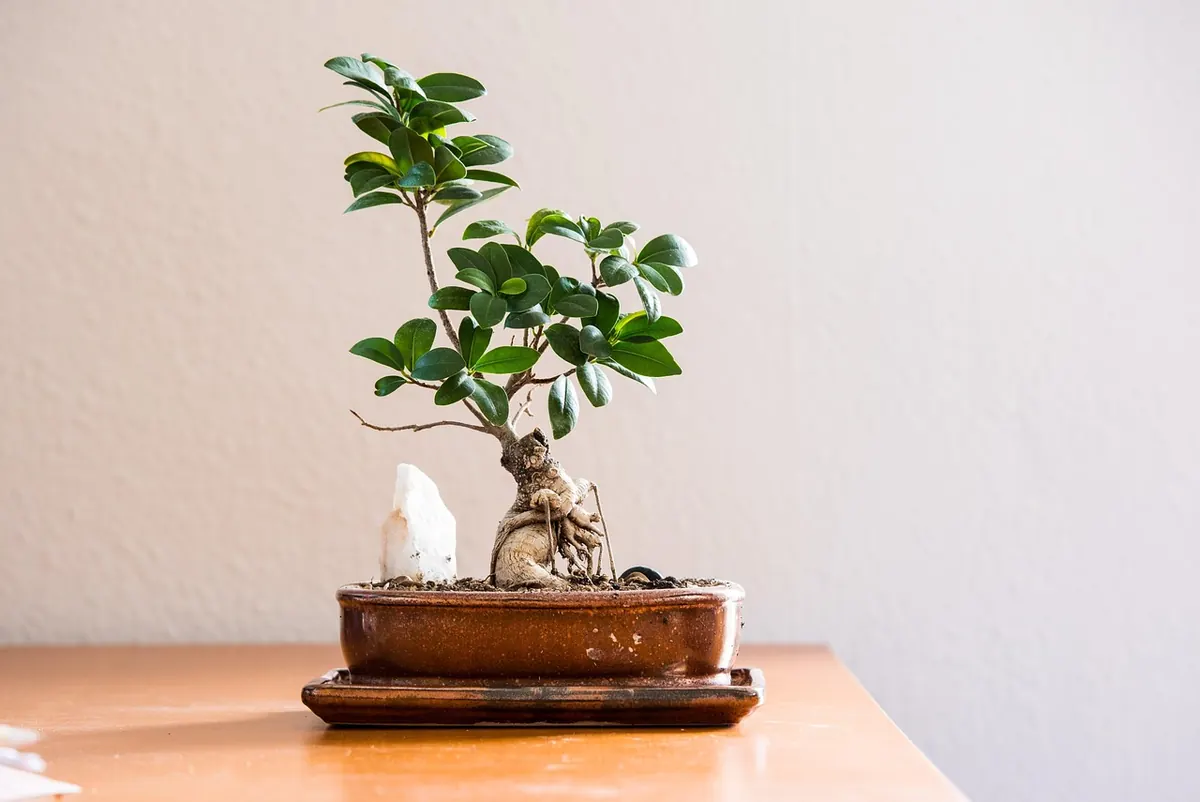
A small patio does not have to mean a life without home-grown fruit. With the right tree, a decent-sized pot and a bit of routine, you can pick your own apples, pears, figs and even cherries within a few steps of the kitchen door. Containers suit dwarfing rootstocks and naturally compact varieties, and they give you control over soil, drainage and position. The trade-off is that pots need more attention than open ground, especially in summer and during hard frosts. Get the basics right and a single tree can crop for years.
Choosing a tree that suits a pot
The single most important decision is the rootstock. It determines how vigorously the tree grows and, in turn, how large a container it needs. A fruit tree sold for open-ground planting will almost always be too vigorous for a patio. Look for a named dwarfing rootstock on the label, or buy from a specialist nursery that grafts for container growing.
- Apples: M27 is the most dwarfing and suits a 30–40cm pot, though it needs permanent staking. M9 is a good middle ground for a 40–45cm pot. M26 is larger and better for a 45–50cm pot.
- Pears: Quince C is the usual choice for containers, with Quince A for a slightly bigger tree.
- Cherries: Colt is too vigorous. Look for Gisela 5, which keeps the tree compact enough for a large pot. Acid cherries such as ‘Morello’ can also work.
- Figs: Usually grown on their own roots. Restricting the roots is exactly what encourages fruiting, so a pot suits them well.
Varieties worth trying
Self-fertile varieties make life easier when you only have room for one tree. ‘Discovery’ and ‘James Grieve’ are reliable apples; ‘Conference’ is a partially self-fertile pear that crops well in containers. For cherries, ‘Stella’ is self-fertile and compact on a dwarfing rootstock. ‘Brown Turkey’ and ‘Rouge de Bordeaux’ are the classic patio figs. If you choose a variety that needs a pollination partner, make sure there is another compatible tree nearby, even in a neighbouring garden.
Pots, compost and planting
Size matters more than style. A pot that is too small will dry out constantly, restrict growth and reduce the crop. Go for the largest container you can reasonably move or accommodate. Terracotta looks lovely but dries out faster and is heavy; frost-proof glazed ceramic or thick plastic are more practical. Whatever you choose, it must have drainage holes.
Minimum pot sizes
- Dwarf apple on M27: 30–40cm diameter
- Apple on M9 or pear on Quince C: 40–45cm
- Apple on M26 or cherry on Gisela 5: 45–60cm
- Fig: 40–50cm, and it can stay slightly pot-bound
Use a loam-based compost such as John Innes No. 3, which holds water and nutrients far better than a light multipurpose mix. You can blend it with a little multipurpose compost and some bark for drainage. Put a few crocks over the drainage holes, then fill and plant at the same depth the tree was growing in its original pot. Firm the compost gently and water well. Raise the pot on feet or bricks so it does not sit in a puddle.
Watering and feeding through the season
In summer, a container tree can dry out in a day. Check the compost every morning by pushing a finger in up to the first knuckle. If it feels dry, water thoroughly until it runs out of the bottom. Little and often is not enough; a good soak encourages roots to go deeper. A layer of mulch over the surface slows evaporation, and a drip irrigation kit takes the worry out of hot spells. Never leave the pot standing in a saucer of water for long, as waterlogged roots rot.
Feeding starts in spring. A slow-release fertiliser mixed into the top layer of compost gives a steady supply. From flowering onwards, switch to a liquid feed high in potash, such as a tomato feed, every week or two. Stop by late summer so the new growth hardens before winter. Overfeeding produces leafy growth at the expense of fruit.
A simple summer routine
- Check moisture daily and water deeply when needed.
- Feed weekly with a high-potash liquid feed.
- Top up the mulch to keep roots cool.
- Remove weeds and any fallen fruit.
- Check for aphids and other pests before they build up.
Winter protection and year-round care
Roots in a pot are far more exposed to frost than roots in the ground. In cold spells, wrap the pot in bubble wrap or hessian, leaving the top open, and move it against a house wall or into a sheltered corner. Raise it off the ground to stop the drainage holes freezing solid. Reduce watering in winter, but do not let the compost dry out completely. Evergreen figs may keep their leaves in a mild winter; in colder areas they may drop them and reshoot in spring.
Prune apples and pears in winter while dormant, aiming for an open, goblet-shaped framework. Prune cherries in summer rather than winter to reduce the risk of silver leaf. Repot every two to three years in late winter or early spring, teasing out some old compost and roots and replacing it with fresh John Innes. If the tree has filled the pot, trim a little of the root ball and replant into the same container.
Apples, pears, figs and cherries in pots
Apples
Reliable and rewarding. Thin clusters of fruitlets in early summer so the tree can support the crop. Watch for codling moth and remove affected fruit promptly.
Pears
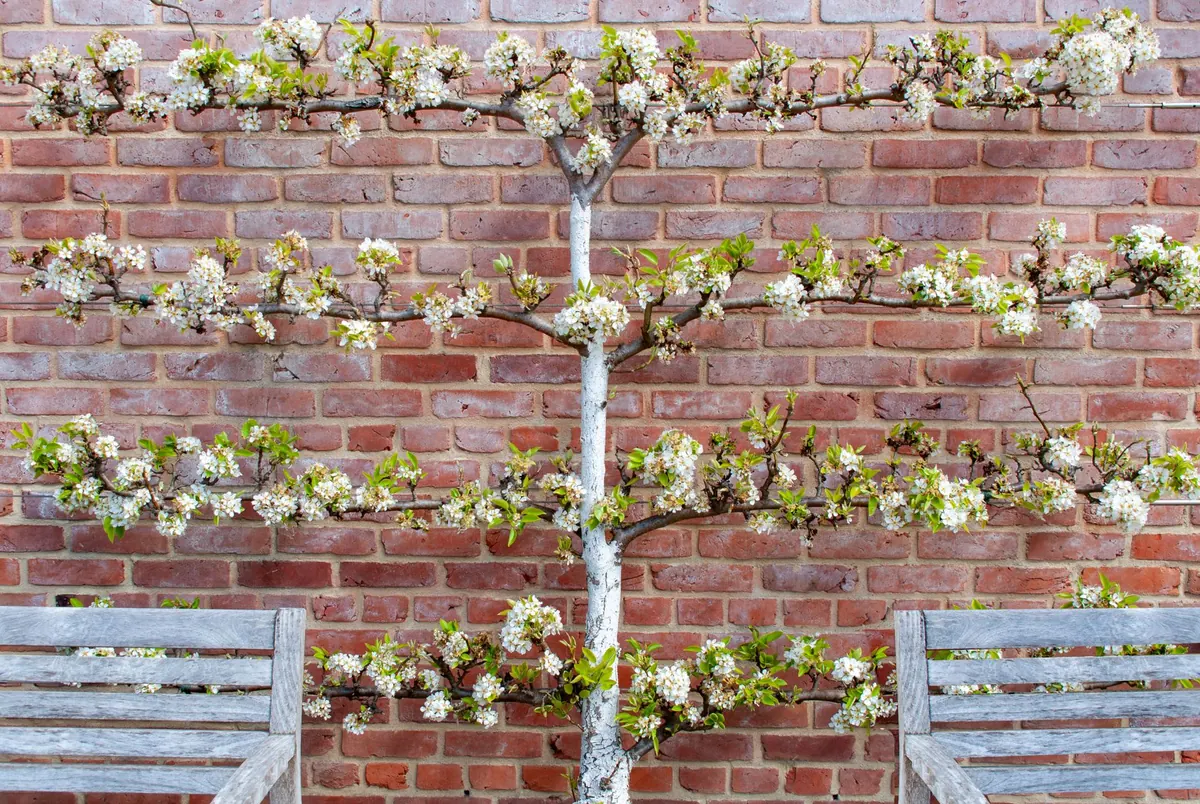
Similar care to apples, but pears flower slightly earlier, so protect blossoms from late frost with fleece if needed. Pick when the fruit lifts easily with a gentle tilt.
Figs
Figs crop best when their roots are restricted. Water well in summer, feed sparingly, and protect young shoots in winter. In a cool year, small fruitlets may not ripen; leave them
Photo: BayCengiz / Pixabay