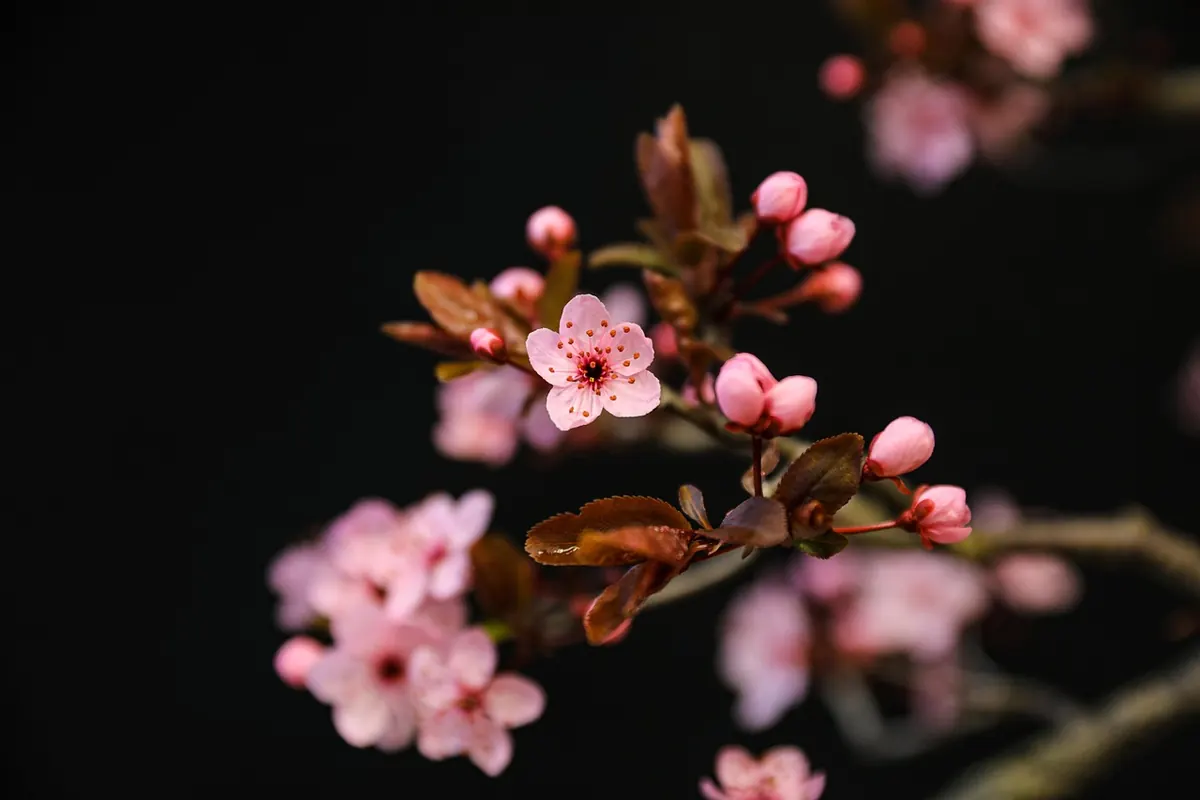
Ask most gardeners when to prune and they will say winter, while the tree is dormant and the shape is easy to see. For apples and pears, that advice holds up. For plums, gages, damsons, cherries and the rest of the Prunus family, it is the fastest way to lose a tree. The fungus that causes silver leaf sheds its spores through the damp months from late summer right through to spring, and every fresh cut is an open door. Prune in summer instead, when spores are scarce and the tree can seal its wounds in days rather than months, and you avoid most of the trouble before it begins.
Why winter cuts invite silver leaf
The fungus behind silver leaf, Chondrostereum purpureum, lives on dead wood: old stumps, forgotten branches, overgrown hedges. In cool, wet weather it produces spores in enormous numbers, and those spores cannot drill through bark. They need a wound. A pruning cut of any size is exactly that.
Once inside, the fungus colonises the wood and releases a toxin that separates the tissues in the leaf, which is what gives the foliage that pale, metallic sheen. Cut a branch and you will often find brown staining running through the wood, sometimes well beyond the part that looks affected. On a plum this can kill a limb within a season or two, and on a young tree it can finish the job entirely.
Trees do not heal like skin. They wall off damage, growing a ring of new callus tissue around the wound. In summer, with sap rising and growth in full swing, that ring forms quickly. In winter the tree is dormant, the wound sits open for months through the wettest, spore-richest part of the year, and the wood beneath it is slow to respond. Timing really is the whole defence.
The safe window: late June to August
Aim to have your pruning done between late June and the end of August. Late June and July suit most plums, gages and damsons. Cherries are best left until after picking, which for sweet varieties usually means late July or early August, and for acid cherries such as Morello, straight after the fruit comes off.
Two conditions matter as much as the month. Do not cut on a wet day, and do not leave it until September, when autumn rain and falling temperatures bring the spores back. If you genuinely cannot prune in summer, May or early June is a better fallback than winter, though the tree is then pouring energy into leaves and soft new growth, so keep the work light.
Plums, gages and damsons
These crop mainly on spurs carried on two-year-old wood and older, with some fruit on the previous season's shoots. The job in summer is to thin out crowded growth, take out any shoots crossing the centre, and shorten the strongest new shoots back to five or six leaves. Light and air reaching the middle of the tree means better ripening and less disease.
Cherries
Sweet cherries fruit on spurs on older wood, so the aim is an open, goblet-shaped framework rather than constant cutting. Trained fans and fans on a wall are pruned after fruiting, tying in the new shoots and cutting back what you do not need. Acid cherries fruit on last year's growth, so prune them after harvest to encourage fresh shoots for next year's crop. Resist the temptation to tidy cherries in winter; they are especially prone to canker.
Making cuts the tree can close
Good technique is not about neatness. It is about leaving the smallest possible wound with the best chance of sealing.
- Bypass secateurs for anything up to a finger's thickness. Sharp blades bruise less than blunt ones.
- Loppers for branches up to about 4cm.
- A pruning saw for anything larger, used with the three-cut method.
- Methylated spirits or a garden disinfectant to clean blades, especially between trees and between cuts on diseased wood.
Then follow the same sequence every time:
- Cut back to a healthy side branch or a strong outward-facing bud wherever you can. A natural junction seals far better than a stub.
- Slope the cut gently away from the bud and leave it just clear of the bud itself. Too close and the bud dries out; too far and the stub dies back.
- For limbs thicker than about 5cm, undercut first, then saw from above a little further out, then take the final cut back to the branch collar. This stops the weight of the branch tearing a strip of bark down the trunk.
- Keep the number and size of cuts to a minimum. One well-placed cut beats five small ones.
- Stop if it starts raining. Spores and bacteria both travel on water and on your tools.
Wound sealants are optional. On a large cut some growers paint one on, and it does little harm, but it is no substitute for pruning at the right time. On small cuts it can hold moisture against the wood and slow sealing down.
Bacterial canker: the second reason to wait
Bacterial canker is the other disease that makes winter pruning a gamble. It shows as sunken, dark patches on stems, amber-coloured gum oozing from the bark, and shoots that die back in spring. Like silver leaf, it enters through wounds, and like silver leaf it spreads in wet, cold weather. Cherries and plums are the most vulnerable, particularly on heavy, poorly drained soil or an exposed site.
The same logic applies: a cut made in dry summer weather gives the bacteria far less opportunity. If you are working on a tree that already has canker, disinfect your blades between every cut, and clear up the prunings as you go rather than leaving them lying at the base of the tree.
If you do find silver leaf or canker
Silver leaf usually appears first on one branch. Check before you panic: drought stress and mite damage can also give leaves a silvery look, so cut a suspicious branch and look for brown staining in the wood. If it is there, cut back to clean, unstained wood, going 15 to 30cm beyond the visible damage, and do it on a dry summer day.
Burn or bin the prunings. Do not compost them, and do not shred them and spread the results around the garden. Disinfect your tools afterwards. A mild infection on an otherwise strong, well-fed tree often grows out of it, but staining deep in the trunk is a different matter and the tree is usually better removed before it becomes a source of spores for everything nearby.
Canker is treated in much the same way: cut back to healthy wood in summer, disinfect between cuts, and keep the tree growing steadily. Where a large part of a mature tree is affected, it is worth asking a qualified arborist before you start cutting, especially if the tree overhangs a path, a shed or a road.
Aftercare that keeps wounds safe
The pruning itself takes an afternoon. What you do afterwards decides how well the tree copes.
Clear fallen leaves and any shrivelled, mummified fruit from around the base in autumn; both harbour disease. Mulch in spring with well-rotted compost or bark, keeping it a hand's width clear of the trunk. Water established trees properly in dry spells, because a drought-stressed plum seals its wounds poorly and is far more likely to develop canker. Skip the high-nitrogen feeds that push soft late growth, and give a balanced feed in spring instead.
Finally, be patient with the size of the job. Never take off more than about a quarter of the canopy in one summer. If a neglected tree needs serious work, spread it over two or three years and enjoy the fruit in between. A plum pruned in July with a sharp pair of secateurs and a little restraint will reward you for decades; the same tree cut in January may not be there to reward anyone.
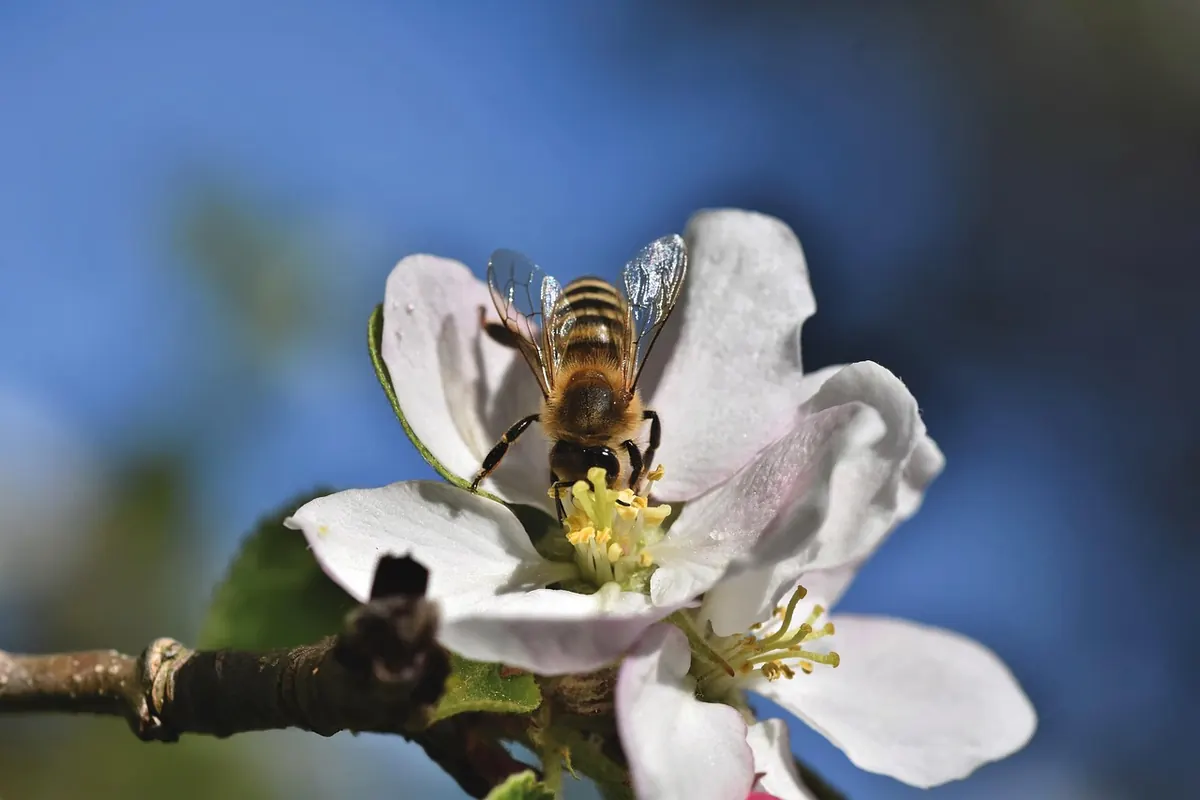
Photo: IlonaBurschl / Pixabay